


And now for an article about something I actually know about.
For those that don’t know (most of you), before I become the marketing genius you see before you, I was involved quite extensively in the world of professional combat sports. I’m actually still very heavily involved in that community to this day. I’ve worked with UFC fighters and professional grapplers who have competed in the UFC Fight Pass Invitational. I’ve been behind the scenes at events, inside the UFC HQ in Las Vegas, and watched their content and marketing teams in action.
What I saw was one of the most efficient, dialed-in marketing operations I’ve ever encountered. Every person on their team knew their role. No wasted motion. No ego. Just execution.
But here’s the part that matters for you: you don’t need the UFC’s budget, team size, or production resources to apply the same playbook. You just need to understand what makes it work and how to adapt it to your business.
Let’s break it down.
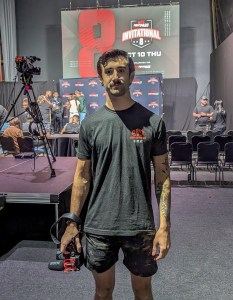
Photographic evidence that I am not lying…or an AI generated image to establish credibility, who knows?
The UFC Treats Content Like a Team Sport
The first thing that stood out to me watching the UFC team work was how organized they were. Everyone knew exactly what they were supposed to be doing. Photographers, videographers, editors, media managers all working in sync. No confusion. No overlap. No standing around waiting for direction.
But what was just as impressive was how calm and professional they were while doing it. Nobody looked stressed. Everyone looked like they were doing work they were good at, and enjoyed doing it. And that vibe carries through the whole company from the marketing team to the security guards all the way up to Vice President of UFC Fight Pass Stephen Tecci. I’ve never met Dana White but from what everyone tells me, this attitude even extends to him.
This isn’t just about being efficient. It’s about setting expectations, building systems, and hiring people who actually care about the end product.
For a small business, this might mean assigning clear roles when creating content. It might mean planning your shoot days instead of winging it. Or trusting your content partner to make decisions instead of micromanaging every post. Whatever it is, the point is this: when people know the plan, execution gets a whole lot easier.
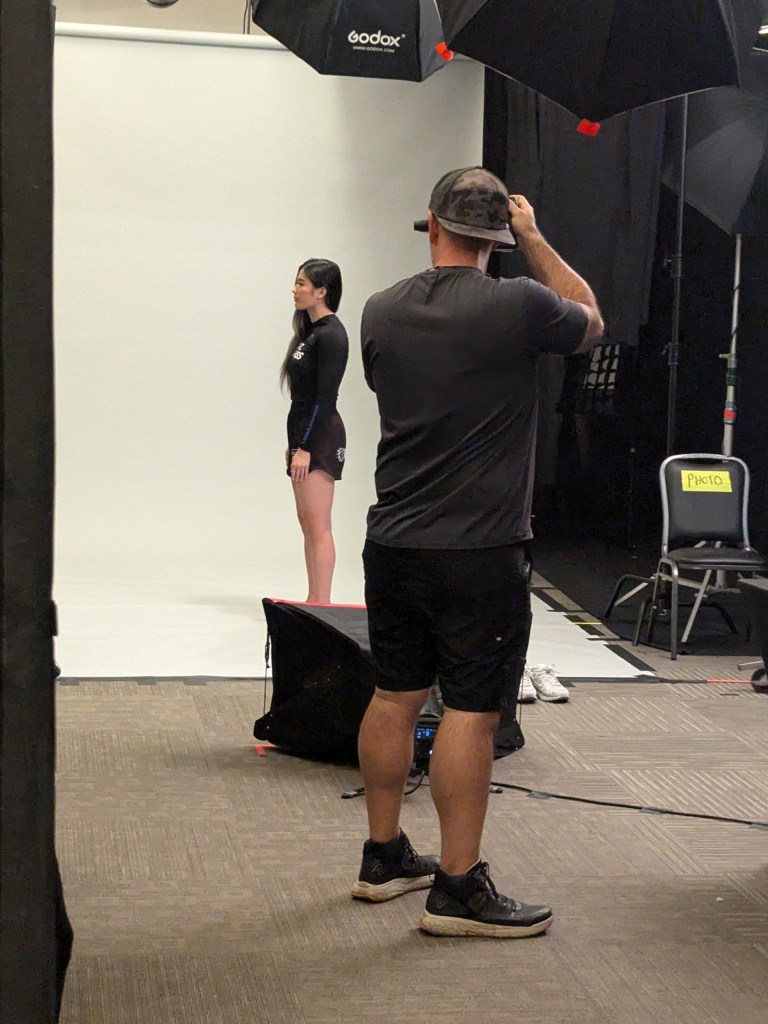
Cindy Ung being photographed for UFC Fight Pass Invitational 8. I’ve met this photographer twice and his name is escaping me but he always struck me as someone who truly loves his job.
They Meet Their Audience Where They Are
The UFC is not stuck in old-school thinking. They know that younger fans are not sitting around waiting for cable highlights or press conference replays. They’re on TikTok. They’re scrolling Instagram. They’re watching YouTube Shorts. And the UFC is right there with them.
They push short-form content fast. They don’t wait to “produce” everything. They capture moments, package them quickly, and publish. The goal isn’t to be perfect. It’s to be relevant.
Most small businesses could benefit from this mindset. Instead of trying to force customers into platforms that worked five years ago, meet them where they actually spend time. That might mean letting go of the idea that Facebook is your only channel. It might mean trying something new. The UFC is constantly adjusting and you can be too.
The Fighter Is the Brand
Here’s one of the most unique things about the UFC’s marketing approach: they don’t tell fighters how to use social media. I’ve spoken with several UFC fighters and grapplers about this directly.
UFC fighter Bill Algeo told me that the UFC has never once told him how or what to post. Amanda Mazza, who has competed on the UFC Fight Pass Invitational, said the only request she ever received was to share a fight poster once.
In other words, the UFC leaves social media in the hands of the fighters. They don’t control it. They don’t micromanage it. They let the athlete become the brand.
What happens is powerful. Some fighters create massive followings. Others don’t. The UFC benefits either way, because the content still gets created, shared, and distributed. The system works because it is decentralized.
That is something small businesses can learn from. You don’t have to do all the content yourself. Let your team, your clients, your collaborators help tell your story. Give people permission to talk about your brand in their own voice. That is how real momentum builds.

Here’s that fight poster in case you were curious.
They Are Not Afraid to Reuse and Repurpose
If you follow the UFC on social media, you have absolutely seen the same clip used more than once. A knockout on Instagram Reels becomes a YouTube short. Then it becomes a lead-in to a fight preview. Then it shows up in a hype video. The same piece of content gets used five or ten different ways.
That is not lazy. That is smart.
Many businesses are afraid to do this. They worry that repeating content makes them look stale. The truth is, most people never saw it the first time. And if they did, they probably forgot.
The lesson here is simple: stop trying to reinvent the wheel every time you post. Focus on getting more mileage out of the content you already have. Break longer pieces into short clips. Re-share older posts that are still relevant. Remix existing footage into new formats.
This is one of the easiest ways to increase your output without burning out.
They Collaborate with the Right People
Another thing the UFC does really well is collaborate with people who already have audiences.
From working with influencers like Nina Drama to featuring creators like Alex Wendling, the UFC is intentional about partnerships. They do not just bring in names. They bring in people who fit the audience they are trying to reach.
You can do the same thing. You do not need a million followers. You need alignment. Partner with people in your niche. Share their content. Ask them to share yours. Invite them to an event. Let them into the process.
Marketing is no longer about broadcasting your message. It is about building community around it.
You Can Apply This Without Being a Media Giant
To recap, here’s what you can take from the UFC’s playbook and apply to your business immediately:
-
Get organized before you hit record
-
Meet your audience where they already spend time
-
Let others help tell your brand story
-
Reuse and repurpose your best content
-
Collaborate with creators who already have reach
You do not need a multimillion-dollar content team to do this. You just need a plan, a little discipline, and a willingness to adapt.
The UFC did not become a media machine by accident. They built a system that prioritizes speed, relevance, and reach. You can do the same thing, just on your own scale.
Final Thought
The UFC’s content marketing strategy works because they know who they are, they know who their audience is, and they are not afraid to evolve.
If you are a small business owner trying to figure out how to create content, grow your audience, and market with consistency — start there.
And if you want help building a content system that actually works, that is what I do.
Book a free consult and let’s talk through your goals. No pressure. No pitch deck. Just real strategy.
If you’d like to see a short behind the scenes video of what the UFC marketing machine is like, here’s a video I made of a trip to the company’s headquarters in Las Vegas.

4 Comments